


Billing Software for Logistics
Create invoices for every delivery, track payments from clients, and manage your logistics operations smoothly with simple billing software built for logistics businesses.
Trusted by 1 Crore+ Businesses

What is Billing Software for Logistics?
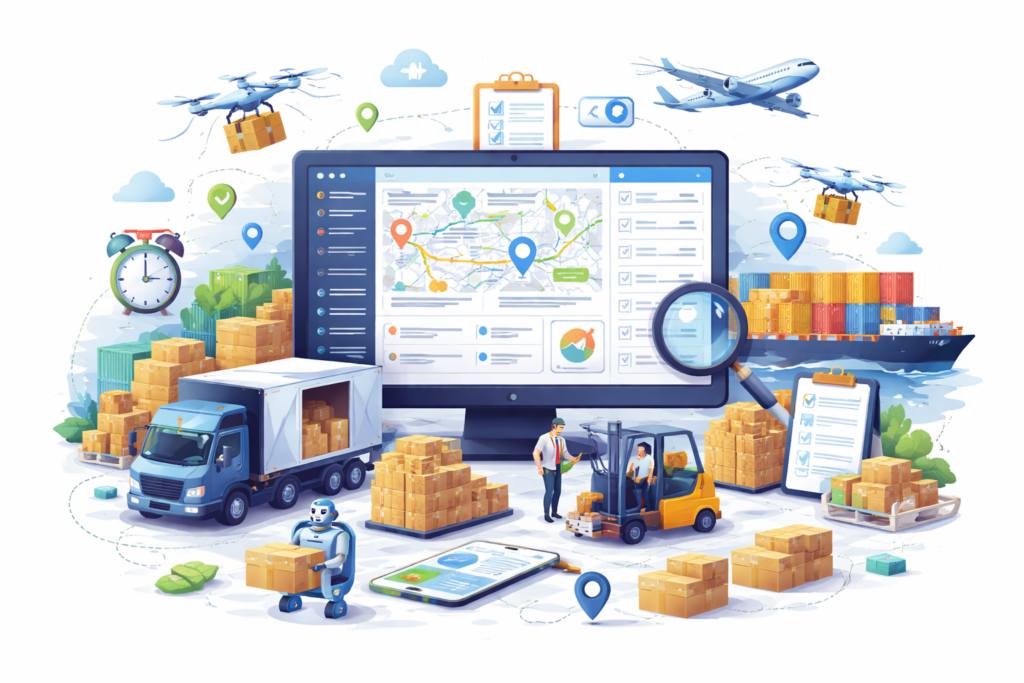
Key Pain Points in Logistics without a Billing Software
📍Lack of Centralized Visibility Management
Managing multiple logistics channels without centralised software leads to delays, miscommunication, and poor visibility, making it hard to track shipments, inventory, and delivery performance efficiently.
📝 Heavy Dependence on Manual Processes
Relying on manual data entry and spreadsheets increases errors, slows operations, and creates inconsistencies, resulting in inaccurate records, billing issues, and poor decision-making overall.
⏱️ No Real-Time Tracking
Lack of real-time tracking prevents businesses from responding to delays or disruptions, reducing customer satisfaction and making it harder to maintain reliable delivery commitments.
🔄 Poor Team Coordination
Poor coordination between warehouse, transport, and delivery teams leads to inefficiencies, missed deadlines, and higher operational costs, ultimately affecting profitability.
Core Features of Billing Software of Logistics
Key Components of Logistics Management
Inventory Management
Efficient inventory management ensures optimal stock levels, prevents overstocking or shortages, and enables smooth product flow across warehouses, improving operational efficiency and order fulfilment accuracy.
Transportation Management
Transportation management focuses on planning, executing, and optimising the movement of goods, helping businesses reduce delivery delays, lower costs, and improve overall supply chain performance.
Order Management
Order management handles the complete order lifecycle from placement to delivery, ensuring accuracy, timely processing, and seamless coordination among sales, warehouse, and delivery teams.
Warehouse Management
Warehouse management involves organising storage, tracking inventory, and managing picking, packing, and dispatch processes efficiently to ensure faster operations and reduced handling errors.
Supply Chain Coordination
Supply chain coordination connects suppliers, warehouses, and distributors, ensuring smooth communication, better demand planning, and efficient movement of goods across the entire logistics network.
Analytics & Reporting
Analytics and reporting provide insights into operations, helping businesses track performance, identify inefficiencies, and make data-driven decisions to improve logistics efficiency and profitability.
Industries That Benefit from Logistics Software
How Businesses Use Logistics Software Daily
Advantages of Using myBillBook Billing Software for Logistics
Fast & Accurate Billing
Create professional invoices instantly with accurate calculations, reducing manual errors, saving time, and ensuring smooth billing operations for logistics businesses handling multiple orders daily.
GST Compliance Made Easy
Stay compliant with GST regulations by generating GST ready invoices, managing tax calculations automatically, and simplifying return filing without worrying about complex tax processes.
Real-Time Payment Tracking
Track payments against every invoice, monitor pending dues, and gain clear visibility into receivables, helping improve cash flow and reduce collection delays.
Multi-User Access & Control
Allow multiple team members to access billing with role-based permissions, ensuring better coordination, secure operations, and controlled access to sensitive financial information.
Mobile Billing Anytime Anywhere
Manage billing operations on the go using mobile devices, create invoices, track payments, and stay updated without being restricted to the office or desktop systems.
Detailed Reports & Business Insights
Access comprehensive reports on sales, payments, and performance, helping logistics businesses analyse trends, identify gaps, and make informed decisions to improve profitability and growth.
Simple, Affordable Plans
Diamond Plan
₹217
Per month. Billed annually. Excl. GST @18%
✅ Create unlimited invoices
✅ Add up to 1 business + 1 user
✅ Inventory management
✅ App + Web support
✅ Priority customer support
✅ GSTR reports in JSON format Popular
Platinum Plan
₹250
Per month. Billed annually. Excl. GST @18%
Everything on Diamond Plan +
✅ Add up to 2 business + 2 user
✅ 50 e-Way bills/year
✅ Staff attendance + payroll
✅ Godown management
✅ Whatsapp and SMS marketing Popular
Enterprise Plan
₹417
Per month. Billed annually. Excl. GST @18%
Everything on Platinum Plan +
✅ Custom invoice themes
✅ Create your online store
✅ Generate and print barcode
✅ POS billing on desktop app
✅ Unlimited e-Invoices & e-Way bills
Frequently Asked Questions
Can billing software be used for logistics businesses?
Billing software is not limited to retail or services—it’s equally useful for logistics businesses. It helps generate invoices for shipments, track payments from clients, and maintain proper financial records. When billing is streamlined, businesses can focus more on operations instead of chasing paperwork or reconciling transactions manually.
How does logistics software improve delivery efficiency?
With logistics software, businesses can plan routes better, track deliveries in real time, and respond quickly if something goes wrong. It reduces guesswork and improves coordination between teams, which ultimately leads to faster and more reliable deliveries without constant follow-ups.
Is GST billing important for logistics businesses?
GST billing plays a crucial role in logistics, especially when dealing with multiple clients and transactions. Proper GST invoices ensure compliance, make return filing easier, and help avoid penalties. It also builds trust with clients who expect accurate and professional billing.
Can small businesses use logistics management software?
Even small businesses can benefit from logistics software. It helps them stay organized from the beginning, avoid common operational mistakes, and manage growth without chaos. Instead of relying on manual methods, they can handle inventory, orders, and deliveries more efficiently.
How can I track payments and dues in logistics operations?
Tracking payments becomes much simpler with billing software. You can link payments directly to invoices, check pending dues at any time, and follow up with customers when needed. This makes it easier to manage cash flow and avoid delays in collections.
Does logistics software support multi-location operations?
Most modern logistics tools are built to handle multiple locations. Whether it’s different warehouses, branches, or delivery hubs, you can monitor stock, orders, and movement from one system without needing separate tracking methods.
Is mobile access important for logistics and billing software?
Mobile access makes a big difference, especially in logistics where work doesn’t happen only at a desk. Being able to check updates, create invoices, or track deliveries from your phone helps you stay in control even when you're on the move.
Can logistics software help reduce operational costs?
Over time, logistics software helps cut down unnecessary costs by improving planning, reducing errors, and avoiding stock issues. When operations run smoothly, businesses spend less on fixing problems and more on growing efficiently.